Importing from China to Romania (the EU): Complete Guide to Shipping, Costs, and Customs
Importing goods from China to the European Union like Poland, Netherlands, Romaine… remains a key strategy for EU businesses seeking competitive pricing and reliable supply chains.
From electronics and home products to textiles and industrial components, China continues to be one of the EU’s most important trading partners.
This guide explains how to import from China to the EU, covering the full import process, customs requirements, shipping methods, transit times, and container shipping costs in early 2026.
It also highlights upcoming EU regulatory changes that importers should prepare for, including new customs charges for low-value parcels starting in July 2026.
Table of Contents
How to Import from China to the EU?
1. Register as an EU Importer
To import goods into the EU, your business must be established in an EU member state and hold a valid Economic Operators Registration and Identification (EORI) number. This number is mandatory for customs declarations throughout the EU.
2. Choose Products and Check EU Compliance
Before placing orders, confirm that your products are permitted for sale in the EU. Correct HS code classification is essential, as it determines import duties, VAT rates, and regulatory requirements.
Products such as electronics, toys, machinery, cosmetics, and chemicals may require CE marking, conformity declarations, or additional approvals to meet EU standards.
3. Source Reliable Chinese Suppliers
Suppliers can be found through B2B platforms, trade fairs, or sourcing agents. Always verify business registrations, request samples, and confirm quality control procedures. For larger volumes, a China-based sourcing agent can significantly reduce risk.
4. Calculate Total Landed Cost
A complete landed cost calculation should include product price, international shipping, insurance, EU import duties, VAT, and customs clearance fees.
EU import duties typically range from 0% to 17%, while VAT rates vary by destination country, generally between 17% and 27%. From July 2026, parcels valued under €150 will be subject to a €3 customs handling charge.
5. Agree on Payment Terms and Incoterms
Secure payment methods such as letters of credit or escrow services help reduce financial risk. Clearly define Incoterms such as FOB, CIF, or DDP to clarify responsibilities for transport, insurance, and customs costs.
6. Arrange Shipping and Documentation
A freight forwarder usually manages logistics and paperwork. Standard documents include a commercial invoice, packing list, bill of lading or air waybill, certificate of origin, and any required EU compliance documents.
7. EU Customs Clearance
Goods entering the EU must be declared to customs in the first EU country of entry. Import duties and VAT must be paid before release. Most importers rely on customs brokers or freight forwarders to manage this process.
8. Delivery and Quality Inspection
After customs clearance, goods are delivered to your warehouse or fulfillment center. Inspect shipments immediately to identify any damage, shortages, or quality issues.
Shipping Methods from China to the EU:
Sea Freight
Sea freight is the most cost-effective option for large shipments. Full Container Load (FCL) is suitable for higher volumes, while Less than Container Load (LCL) allows smaller shipments to share container space.
Air Freight
Air freight is the fastest shipping method but also the most expensive. It is best suited for high-value, lightweight, or time-sensitive goods.
Rail Freight
Rail freight via the China–Europe Railway Express offers a balance between cost and speed. It is especially attractive for inland EU destinations and businesses focused on reducing carbon emissions.
Express Courier Shipping
Courier services are mainly used for small parcels and samples. While costs are high, delivery is fast and customs handling is simplified.

Shipping Time from China to the EU
Transit times depend on the shipping method, destination, and seasonal factors such as port congestion or public holidays.
- Sea Freight: 20–40 days (Shanghai to Rotterdam: 25–35 days)
- Air Freight: 3–10 days including handling
- Rail Freight: 15–18 days (e.g. Chongqing to Duisburg)
During peak seasons such as Lunar New Year in February 2026, transit times may increase.
Shipping Costs from China to the EU (Early 2026)
Freight rates fluctuate based on fuel prices, capacity, and global demand. As of January 2026, rates are relatively stable but showing moderate upward pressure.
| Shipping Method | Average Cost | Transit Time |
|---|---|---|
| Sea Freight | $2,200–$3,200 (40ft container) | 20–40 days |
| Air Freight | $4–$8 per kg | 3–10 days |
| Rail Freight | $3,000–$5,000 (40ft container) | 15–18 days |
Additional costs may include port handling fees, documentation charges, and fuel or congestion surcharges. The China Containerized Freight Index currently stands at approximately 1,656 points.
If you purchase goods from various Chinese suppliers who cannot provide export documentation (Exporter of Record), we can step in to handle those requirements for your shipment to Europe. Since they lack export licenses, you will need to utilize our services to act as your exporter and manage the necessary paperwork.
Hello,
We are currently preparing a shipment from China to Europe.
Most of our suppliers are from 1688 and unfortunately they do not have their own export license.
We are therefore looking for a Chinese company that could:
act as the exporter of record
provide the export license
prepare export documents (commercial invoice, packing list, etc.)
handle the export customs declaration
The freight transportation is already arranged by our forwarder.
The cargo is already consolidated and ready for shipment.
Could you please let us know if you provide this type of service and what your cost would be?
Thank you very much for your support.
Key Tips for China to EU Importers
Shipping routes from China to Europe can be highly unstable, so it is important to confirm transit times with your freight forwarder multiple times and stay in close communication throughout the shipment. In some cases, delays can be significant, with certain shipments being held up for more than six months due to port congestion, inspections, or route changes.
If you are worried about customs clearance, taxes, or unexpected charges upon arrival, you may want to consider DDP (Delivered Duty Paid) shipping. Under DDP terms, the seller or logistics provider takes responsibility for customs clearance, import duties, and VAT, which can reduce risk and make the import process more predictable—especially for businesses with limited experience in EU customs procedures.
- Book shipping space early during peak seasons
- Consider rail freight for lower emissions
- Always insure cargo against loss or damage
- Monitor the expansion of the EU Carbon Border Adjustment Mechanism (CBAM) in 2026
- Work with experienced freight forwarders and customs brokers
- Consolidate shipments to save shipping costs
Conclusion
Importing from China to the EU(especial for Romania) offers strong opportunities for European businesses, but success depends on careful planning and compliance. By understanding EU customs procedures, choosing the right shipping method, and accurately calculating landed costs, importers can reduce risk and protect profit margins.
More Than Just a Purchasing Agent
Many sourcing agents can help you buy products from 1688, but professional importers need much more than purchasing support.
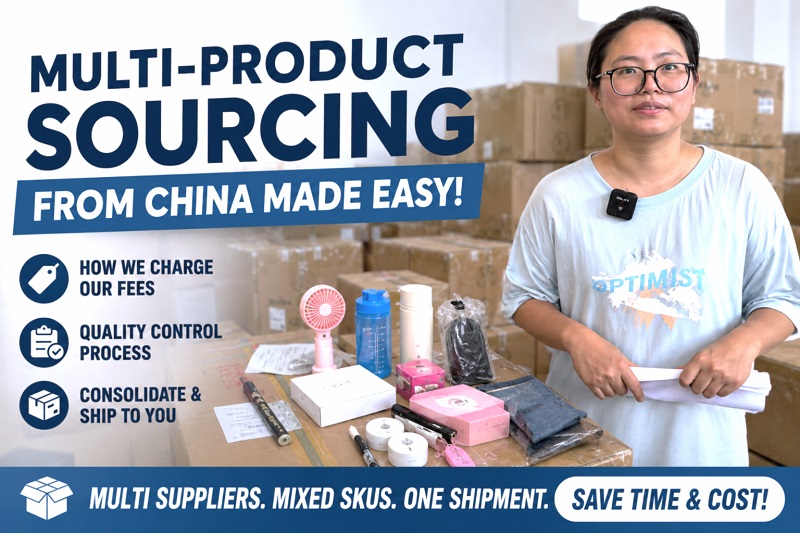
What matters most is having a reliable partner who can manage the entire supply chain process—from supplier sourcing and order management to quality inspection, product consolidation, export documentation, and international shipping.
For European companies, compliance is especially important. Supplyia helps ensure that Commercial Invoices, Packing Lists, Shipping Documents, VAT information, and EORI details are properly prepared to support smooth customs clearance and accounting requirements.
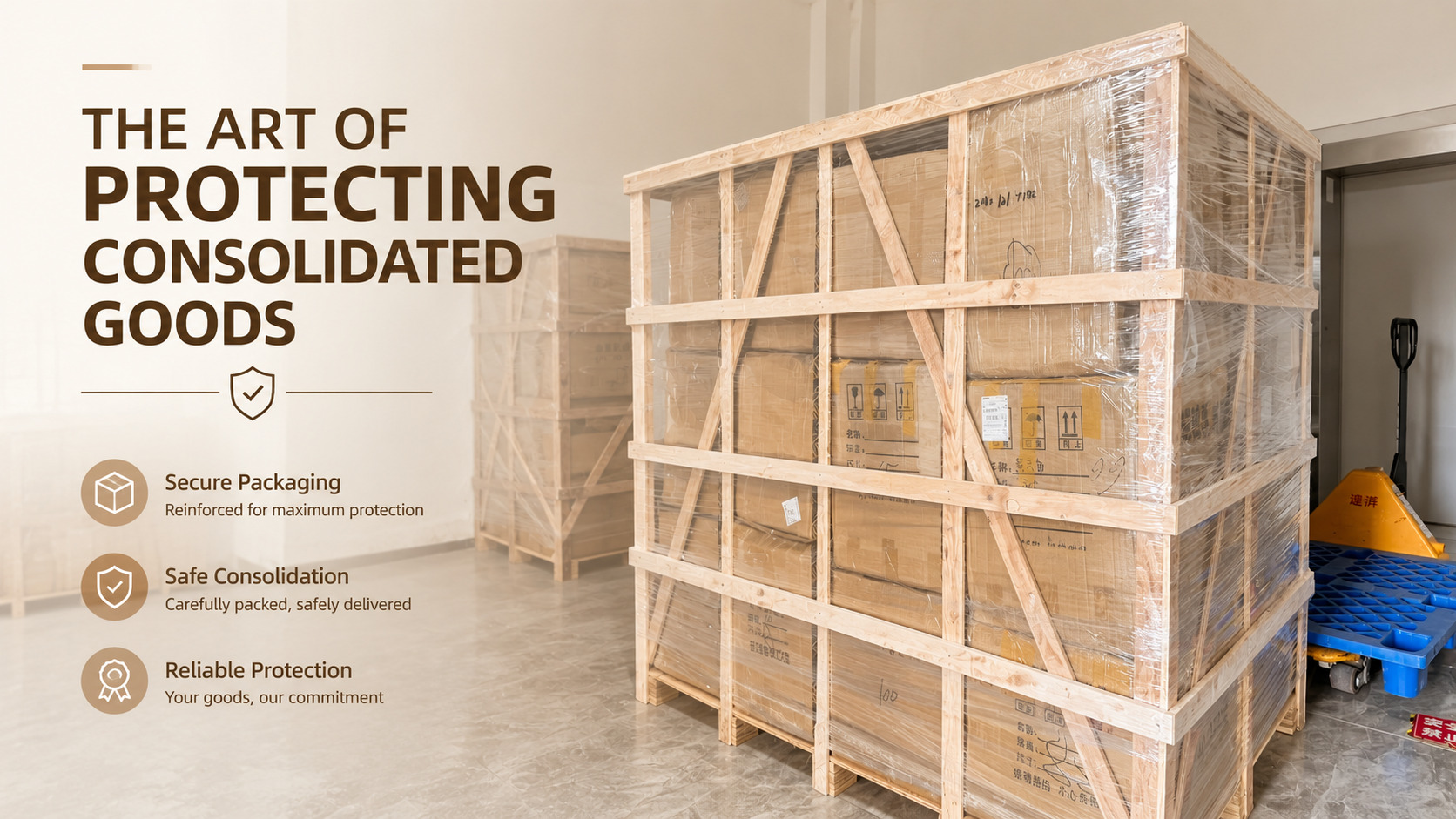
Whether you are purchasing from a single supplier or consolidating products from multiple 1688 factories, our team provides transparent sourcing, quality control, warehouse consolidation, and shipping solutions to help you import from China with confidence.
We understand that your company needs to remain the official importer of record and maintain full control over its import documentation. Our goal is to support compliant and transparent importing, not simply move goods from China to Europe.
By combining sourcing expertise, quality control, logistics management, and complete documentation support, we help businesses build a stable and long-term supply chain in China.
FAQ – Importing from 1688 to Romania
Can you buy products from 1688 to Romania?
Yes. We can purchase products from 1688 on your behalf and manage the entire sourcing process.
Can you provide a Commercial Invoice with my company details?
Yes. We can provide a Commercial Invoice showing your company name, address, and VAT number.
Can I use my EORI number for imports?
Yes. We can include your EORI number on the shipping and customs documents when required.
Who is the importer of record for DAP shipments?
For DAP shipments, your company is usually the importer of record and responsible for customs duties and VAT in Romania.
What documents do you provide?
We can provide:
- Commercial Invoice
- Packing List
- Shipping Invoice
- Shipping Documents
- Customs Documents (when applicable)
Can you provide a sample Commercial Invoice?
Yes. We can provide a sample invoice with customer information removed for review.
Do you offer consolidation services?
Yes. We can receive products from multiple 1688 suppliers and combine them into one shipment to save shipping costs.
Do you provide quality inspection?
Yes. We can inspect products before shipment and provide photos or videos for confirmation.
What shipping methods do you offer to Romania?
We offer:
- Air Freight
- Railway Freight
- Sea Freight
We can recommend the most suitable option based on your budget and delivery timeline.
How much does shipping cost?
Shipping costs depend on the product type, weight, volume, and shipping method. Contact us with your product details for an accurate quotation.
Can you help find reliable suppliers on 1688?
Yes. We can help source products, compare suppliers, negotiate prices, and verify supplier reliability.
Do you support long-term cooperation?
Absolutely. We specialize in helping European businesses build long-term sourcing and shipping solutions from China.