How to pre-order and import household items from China?
Many buyers search online for guides about how to import household items from China. Most articles focus on finding suppliers, comparing prices, and arranging shipping.
However, after working with international buyers, we have found that importing household items is often much more complicated than people expect.
The biggest challenge is not always finding a factory.
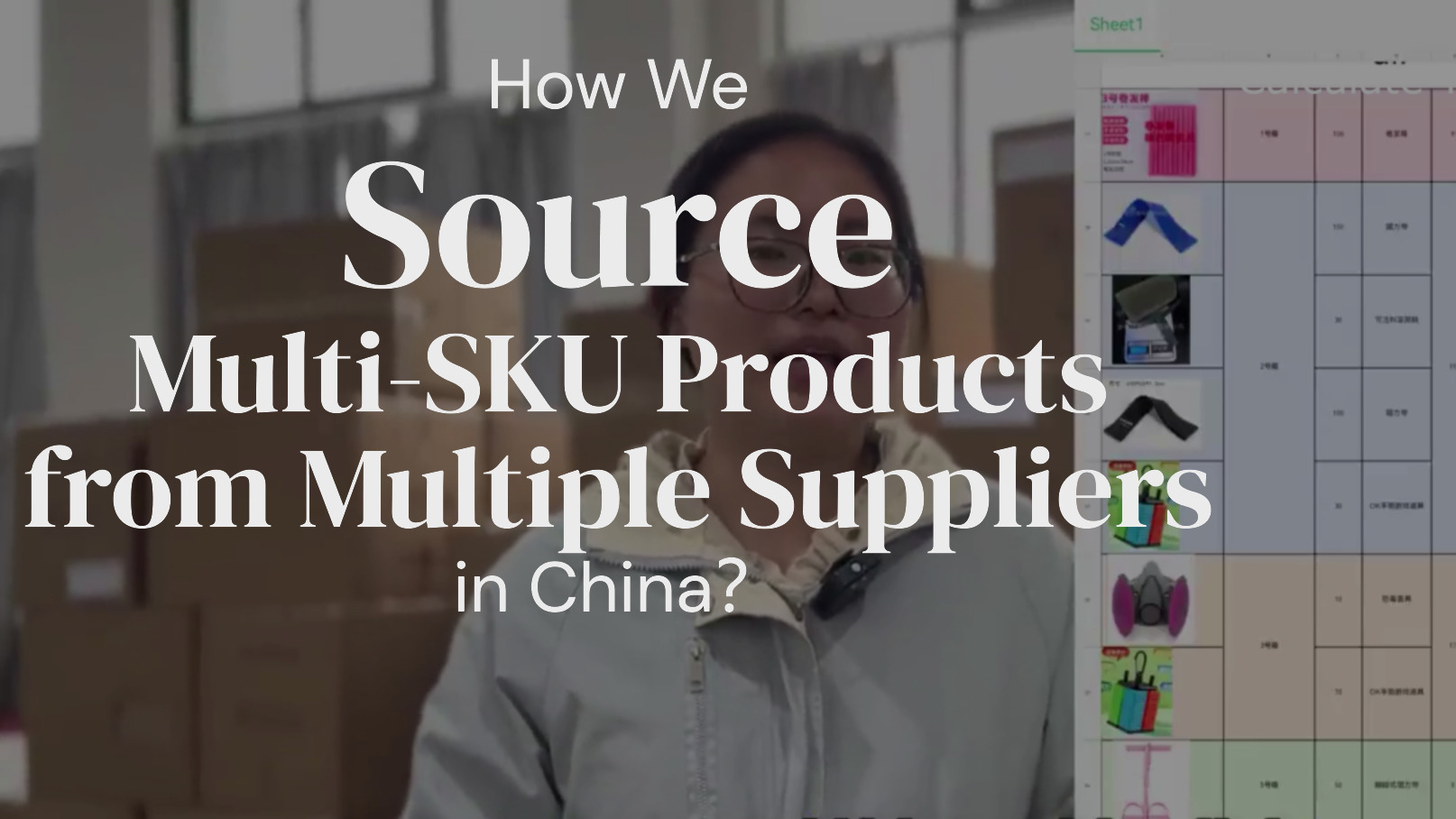
The real challenge is that when you purchase household items from China, you are usually not buying only one product.
You may need:
- Kitchen products from one supplier;
- Storage products from another supplier;
- Home decoration items from different factories;
- Furniture accessories from multiple manufacturers.
Even if you successfully find suppliers by yourself, you still need a complete process to:
- Combine products from different suppliers;
- Reduce shipping costs;
- Control product quality;
- Manage communication;
- Arrange international shipping.
This is especially true when your order quantity is small, but you have many product categories and many SKUs.
The smaller your quantity and the more products you purchase, the more valuable a China sourcing agent becomes.
| Purchasing Situation | Number of SKUs | MOQ per Product | Sourcing Difficulty | Need for a China Sourcing Agent |
|---|---|---|---|---|
| Large quantity, single product | Low | High | Easy to manage | Low |
| Several products from a few suppliers | Medium | Medium | Requires supplier coordination | Medium |
| Many household items from different suppliers | High | Low | Difficult to manage communication, quality, and shipping | High |
| Many SKUs + very low MOQ + high quality requirements | Very High | Very Low | Very challenging for direct purchasing | Very High |
Table of Contents
Why Household Items Are Different When Importing from China?
Many traditional import businesses focus on purchasing large quantities of one product from one factory.
However, household items are different.
Many buyers, especially online sellers and retailers, want to import a wide range of products:
- Kitchen supplies;
- Home storage products;
- Household decorations;
- Furniture;
- Bathroom products;
- Daily-use products;
- Household textiles.
Instead of ordering thousands of pieces of one item, they may order smaller quantities of many different products.
These products may come from different suppliers. Managing this type of purchasing is much more complicated than a normal bulk order.
How to Pre-order and Import Household Items from China?
Step 1: Decide What Household Items You Want to Import
Before contacting suppliers in China, you need to clearly define your products.
Prepare the following information:
- Product category;
- Product pictures or reference links;
- Quantity required;
- Target price;
- Quality requirements;
- Packaging requirements;
- Intended use.
One of the most common mistakes we see from customers is that they often have not clearly defined what they really want before starting the purchasing process.
Some buyers want many different products, have very high quality requirements, but at the same time expect very low MOQs. In this situation, sourcing can become much more challenging.
For daily use, and household products, large-volume purchasing usually focuses on existing products from manufacturers. Customization is less common because factories often require higher quantities for custom orders.
It is usually difficult to customize house hold products in small quantities because factories need to adjust materials, production processes, molds, packaging, and other details, which increases costs.
Step 2: Find Reliable Household Items Suppliers in China
There are several ways to find Chinese household items suppliers.
Alibaba
Alibaba is one of the most popular platforms for international buyers.
It is suitable for:
- Overseas buyers;
- Wholesale purchasing;
- Suppliers with export experience.
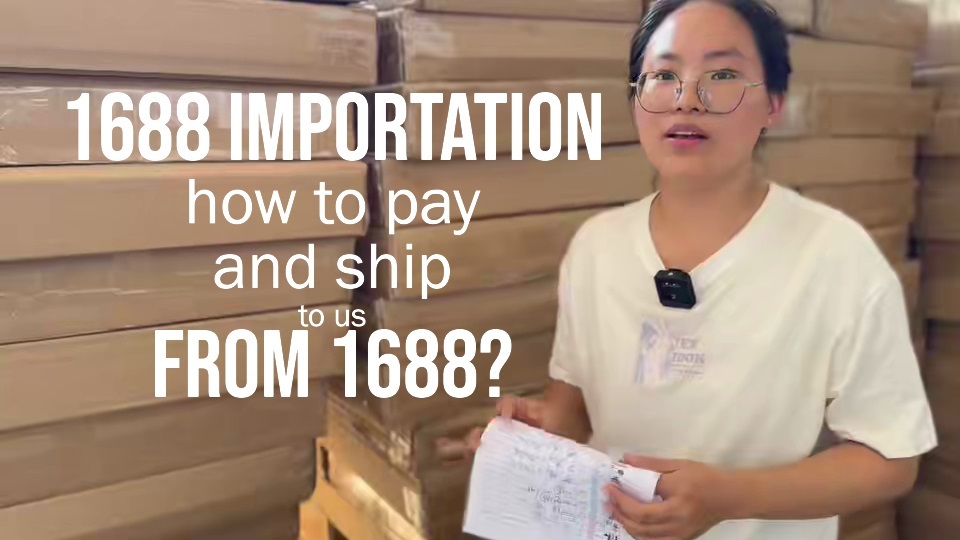
1688
1688 is a major wholesale platform in China.
Many buyers use 1688 because:
- Prices are usually lower;
- Product selection is extremely large;
- Many small factories and wholesalers sell there.
However, challenges include:
- Most suppliers communicate in Chinese;
- Some suppliers do not handle export procedures;
- Product verification requires experience.
For international buyers, a China sourcing agent can help communicate with suppliers and manage purchasing.
Another way to source wholesale goods is to purchase directly from China; for instance, many clients from Africa and the Middle East come directly to the Yiwu market.
Step 3: Request Quotes from Chinese Suppliers
When contacting suppliers, you should ask for detailed information.
- Product price;
- MOQ;
- Production time;
- Packaging;
- Certifications;
- Shipping terms.
Why You May Need a China Sourcing Agent for Household Items?
We receive many inquiries every day from buyers who want to purchase many different products from China.
However, one common problem is that buyers are not fully prepared.
They may say:
“I want to buy household products from China.”
But they do not provide:
- Product pictures;
- Product links;
- Quantities;
- Specifications.
Without this information, it is difficult to quickly find the right suppliers and provide accurate costs.
Step 4: Buy Samples Before Large Orders
One of the biggest mistakes new importers make is placing large orders before testing products.
Always order samples first.
Samples help you check:
- Actual quality;
- Materials;
- Size;
- Color;
- Function;
- Packaging.
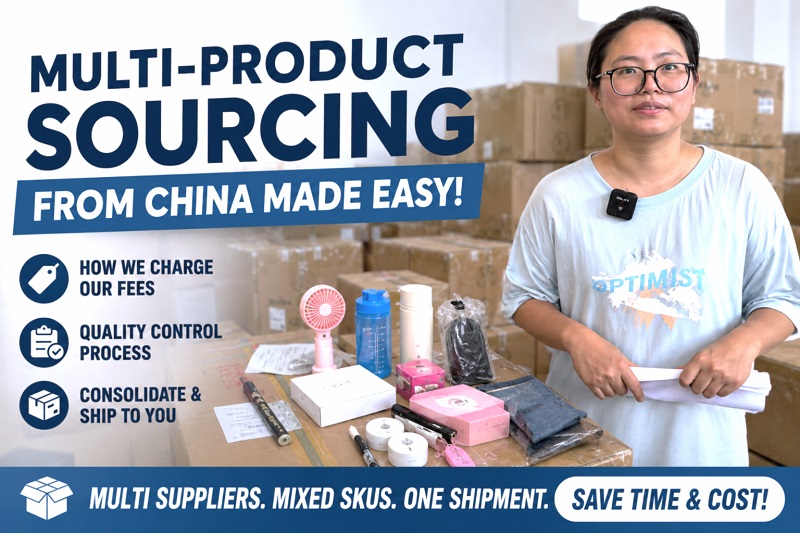
If you have selected your own suppliers but want to save on shipping costs, you can choose a single consolidation company to receive the goods for you. You might opt for an agent—such as Quacn—that specializes in collecting multiple products (samples) and shipping them to you as a single consolidated shipment.
Step 5: Do Quality Control for Household Items
Even if your sample quality is good, mass production quality may still vary.
Possible problems include:
- Different materials;
- Color differences;
- Manufacturing defects;
- Damaged packaging;
- Missing parts.
Even if the sample quality meets standards, the quality of mass-produced goods can vary; since you are purchasing multiple products, random inspections may be necessary.
If you have strict quality requirements, you should opt for a full inspection. These inspections are typically conducted at third-party warehouses—such as Supplyia’s warehouse inspection service.
You could hire a third party to inspect the goods at the factory, but this is generally only cost-effective for large orders; it is not economical for small batches, as the cost is typically around $150–$200 per inspection.
Step 6: Choose Safe Payment Methods
For small orders:
- Platform payment;
- Credit card.
For larger orders:
- Bank transfer;
- Deposit and balance payment.
A common payment structure:
- 30% deposit;
- 70% balance before shipment.
Alternatively, you might consider using a purchasing agent to handle procurement; they can manage both the payment and quality control processes.
I am not suggesting this simply to promote our own services, but rather because it is the most convenient approach when dealing with a wide range of products and categories.
Step 7: Choose the Right Shipping Method
Small Quantity Household Items
- DHL;
- FedEx;
- UPS;
- Air freight.
Large Quantity Household Items
Sea freight is usually the best choice.
- LCL (Less than Container Load);
- FCL (Full Container Load).
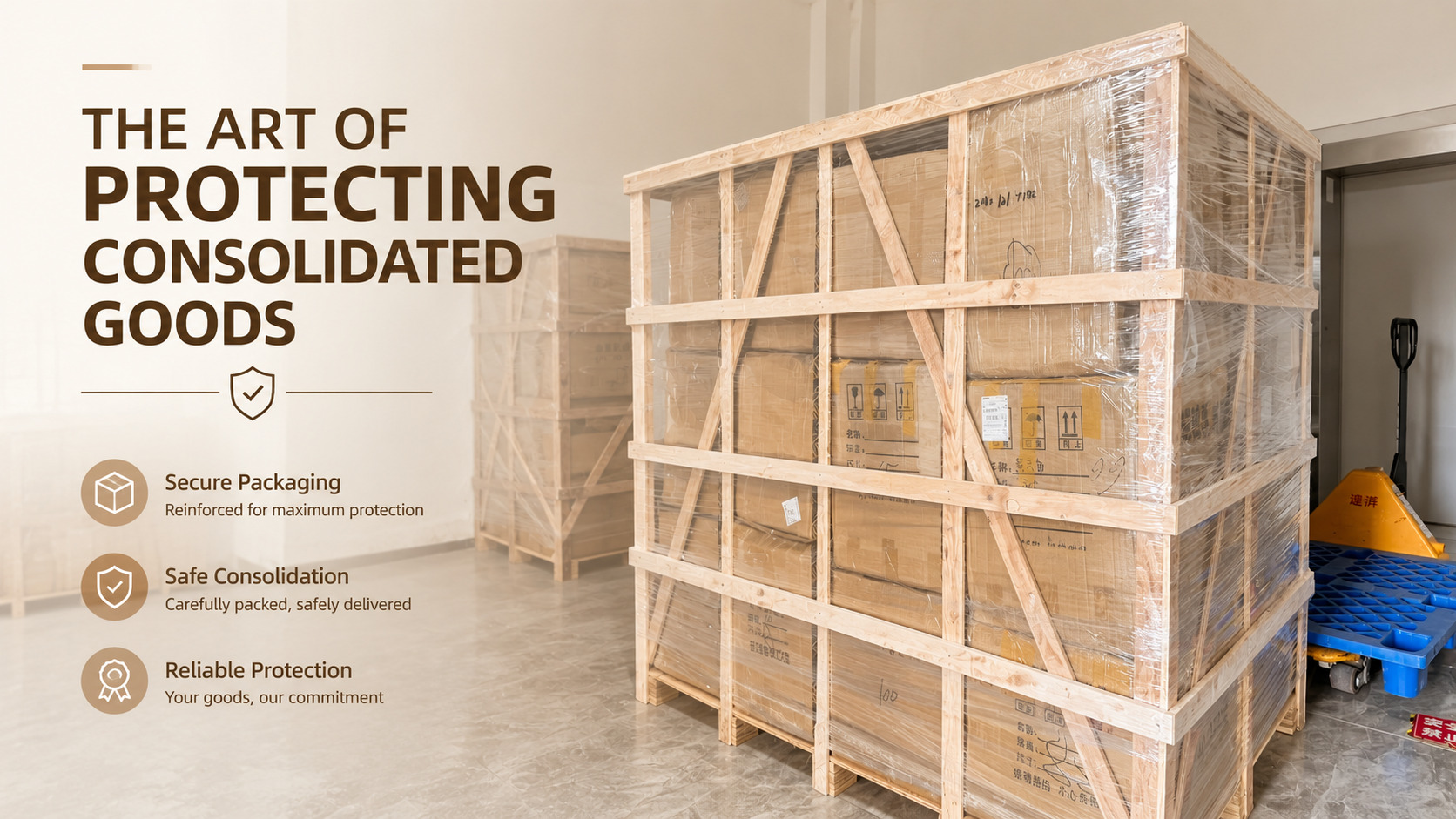
Based on our experience, household items are usually purchased and shipped container by container. When the goods are enough to fill one container, we arrange shipment to the customer and then continue sourcing and consolidating products for the next container.
This purchasing method can significantly reduce shipping costs.
Most household items have similar characteristics: they are bulky, relatively low in unit value, and often include many different SKUs. Therefore, sea freight is usually the most suitable transportation option for these products.
Step 8: Calculate Your Real Import Cost
Do not only look at the supplier price.
Your actual cost includes:
- Product cost;
- China domestic shipping;
- Export fees;
- International freight;
- Import duties and taxes;
- Customs clearance fees;
- Warehouse costs;
- Local delivery.
A $10 factory product may finally cost $15-$20 after all import expenses.
In general, when customers ask us to handle their purchasing, we always estimate the overall cost in advance. This allows customers to have a clear understanding of their expected total investment before placing orders.
Usually, our estimated product volume is very close to the actual volume after consolidation. This helps customers better plan their shipping budget and avoid unexpected costs.
Alternative Way to Import Household Items from China
Importing household items from China is not only about finding cheap products.
The real success factors are:
- Finding reliable suppliers;
- Managing multiple product categories;
- Controlling quality;
- Reducing logistics costs;
- Understanding import requirements.
For buyers purchasing many household items with small quantities and multiple SKUs, a China sourcing agent can significantly improve efficiency.
This is especially important for household items because product selections change constantly.
Today you may purchase from one supplier. Next time, you may need completely different products from new factories.
The basic process is:
Choose products → Find suppliers → Get quotations → Buy samples → Check quality → Place orders → Arrange payment → Ship goods → Clear customs → Receive products
The more products SKUs you purchase and the more suppliers involved, the more important professional sourcing support becomes.