If you have ever bought products from Alibaba, you may have experienced something confusing: the product is cheap, but the shipping is extremely expensive.
You might find a product for $1 or $2 per unit, only to discover that shipping costs $50, $100, or even more.
In some cases, the shipping quote can cost more than the products themselves.
This is a common question among small businesses, online sellers, wholesalers, and first-time Alibaba buyers:
Why is Alibaba shipping so expensive, and is there a cheaper way to ship products from China?
The answer is more complicated than simply saying that Alibaba shipping is expensive. The shipping method, shipment size, supplier, destination, packaging, and logistics provider can all affect the final cost.
More importantly, you do not always have to use the shipping solution offered by your Alibaba supplier.
Table of Contents
Why Is Alibaba Shipping So Expensive?
There are several reasons why an Alibaba shipping quote can look surprisingly high.
1. Alibaba Is Primarily a B2B Marketplace
Alibaba is designed primarily for wholesale and business purchasing.
Many suppliers expect customers to purchase larger quantities. International shipping becomes more economical when a shipment contains hundreds or thousands of units because the transportation cost can be spread across more products.
For example, shipping 500 units may be much more economical per unit than shipping 20 units.
This creates a common situation:
Product price: $20
Shipping: $60
The product may genuinely be inexpensive, while the shipment itself is simply too small to achieve an efficient transportation cost.
This is one reason buyers often compare Alibaba with AliExpress and wonder why AliExpress shipping appears much cheaper.
2. Alibaba and AliExpress Use Different Logistics Models
A common question is:
Why can AliExpress ship one small package from China so cheaply, while Alibaba charges much more?
The answer is that the two platforms are designed around different purchasing models.
AliExpress is heavily focused on individual consumer orders and standardized parcel shipping.
Alibaba is focused more on wholesale and B2B transactions. Depending on the supplier and order, the shipping quotation may involve different logistics providers, transportation methods, packaging requirements, and service fees.
Therefore, comparing the shipping price of one AliExpress parcel with an Alibaba supplier’s individual shipping quotation is not necessarily an apples-to-apples comparison.
3. You May Be Paying for the Supplier’s Logistics Solution
This is one of the most important points for Alibaba buyers.
When you ask an Alibaba supplier:
Can you ship this to my country?
The supplier may provide a complete shipping quotation.
That does not necessarily mean it is the cheapest logistics option available.
The supplier may be using a logistics partner they normally work with, rather than a freight forwarder selected specifically for your shipment.
In discussions among Alibaba buyers, many customers recommend comparing the supplier’s shipping quote with an independent freight forwarder or arranging logistics separately.
This does not mean every Alibaba supplier is overcharging for shipping. It simply means:
The supplier’s shipping quote is only one option.
4. Small Orders Can Have Disproportionately High Shipping Costs
Small shipments can be particularly difficult.
Imagine that you want to buy:
20 cables
30 promotional products
10 different samples
50 pieces of accessories
The products may only cost $50–$200.
But the shipment still has to be picked up, packed, documented, processed through export logistics, transported internationally, and delivered to the destination.
Many of these costs do not decrease proportionally just because your product value is low.
This is why a buyer may see:
Product cost: $80
Shipping cost: $120
and think:
Why would I buy from China if shipping costs more than the products?
The problem may not be the product price. It may be the way the shipment is being handled.
5. Multiple Suppliers Make the Problem Even Bigger
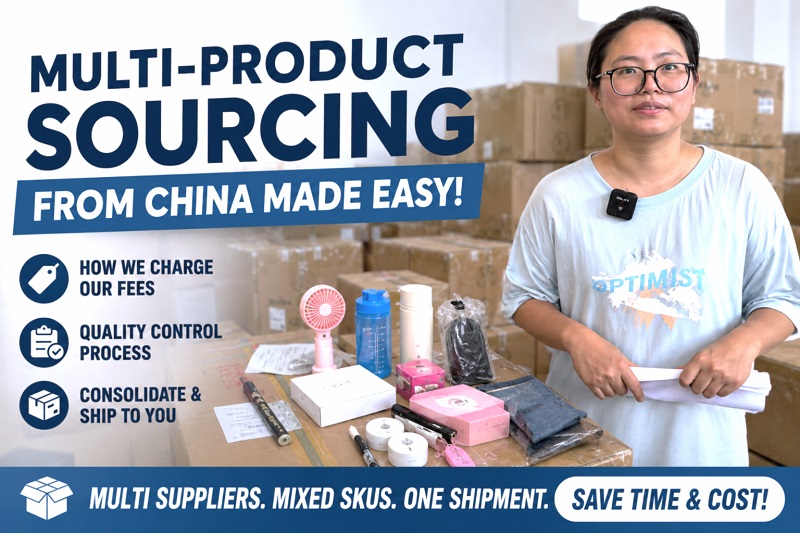
This is where China consolidation can become particularly useful.
Suppose you purchase from five Alibaba suppliers:
Supplier A → $30 shipping
Supplier B → $40 shipping
Supplier C → $35 shipping
Supplier D → $50 shipping
Supplier E → $45 shipping
If every supplier ships independently to your country, you may end up paying for five separate international shipments.
Instead, you can arrange for the suppliers to deliver the products to a warehouse in China.
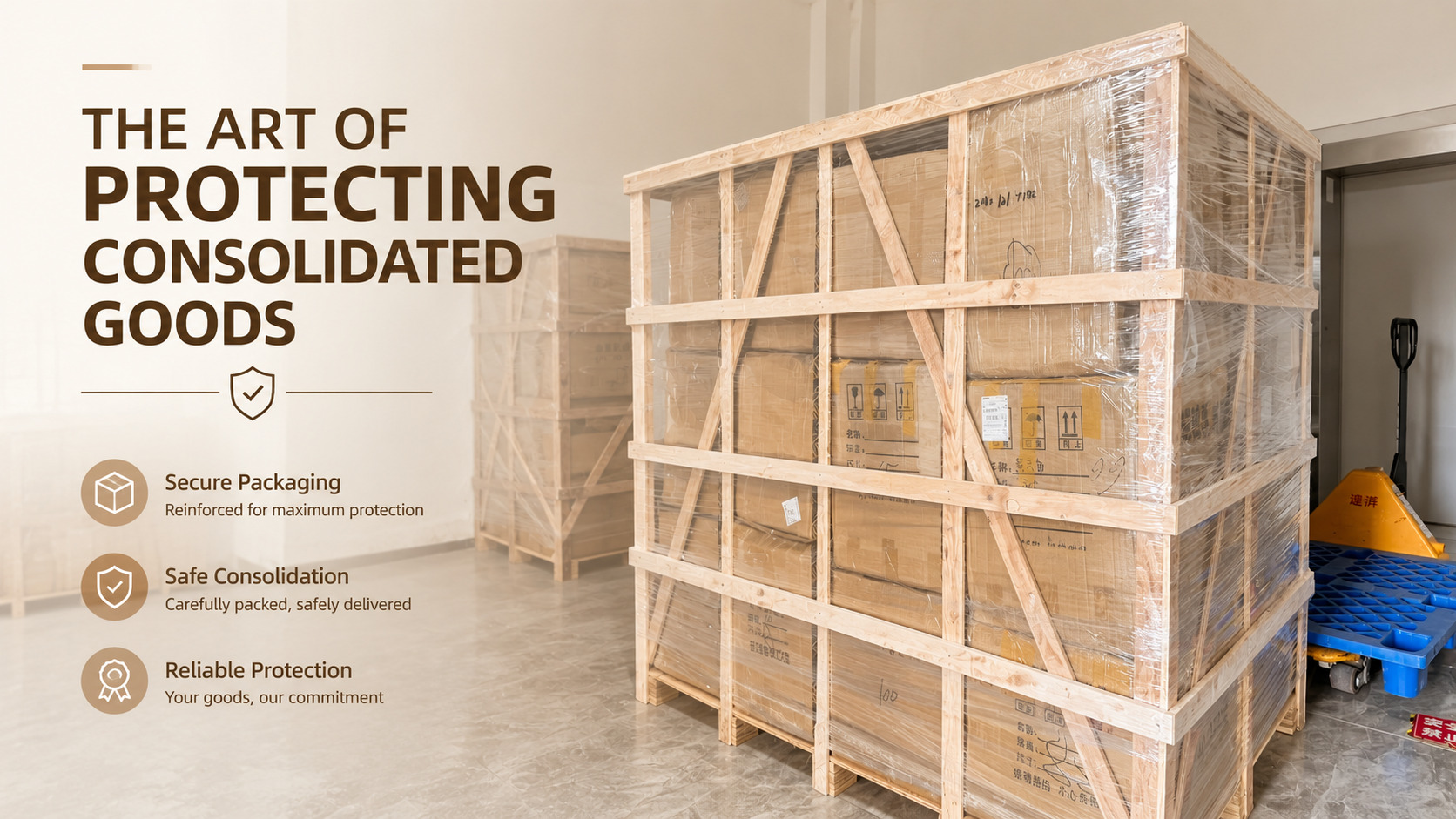
The warehouse receives the goods, checks them, combines them, repacks them when appropriate, and prepares one consolidated shipment.
The structure becomes:
5 suppliers → 1 China warehouse → 1 consolidated shipment → Your country
Instead of:
5 suppliers → 5 international shipments → Your country
This can make a significant difference, particularly for buyers purchasing multiple products or small quantities from different suppliers.
FOB can be useful for certain B2B purchasing situations, particularly when you already have your own logistics arrangements.
Instead of asking the supplier to handle the entire international transportation process, you can arrange the international freight separately.
However, FOB is not automatically the cheapest solution for every buyer.
For very small shipments, samples, mixed orders, or multiple suppliers, a China consolidation service may be more practical.
The important question is not:
Which Incoterm is cheapest?
It is:
Which logistics structure gives me the lowest reasonable total landed cost?
An Alternative Alibaba FOB Model for Small, Multi-Product Orders
If you are purchasing small quantities of many different products, there is another purchasing model worth considering: working with a China purchasing agent.
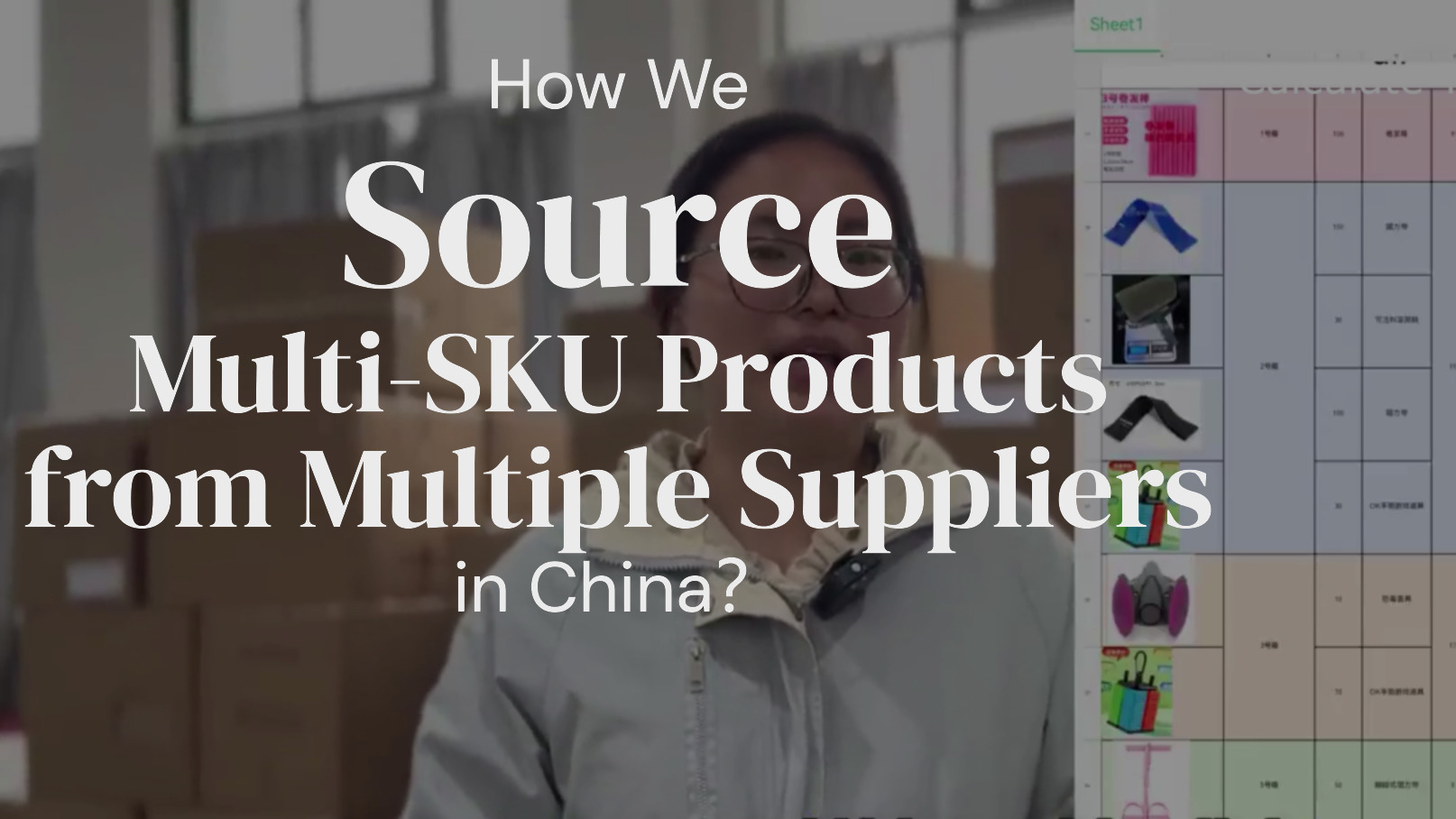
Instead of asking every Alibaba supplier to ship directly to you, you can have a purchasing agent purchase products from 1688, Chinese wholesale platforms, or other domestic suppliers on your behalf.
The products from different suppliers can then be delivered to the agent’s China warehouse, where they can be collected, checked, organized, and consolidated into one shipment before being sent to you.