How to Ship LCL from China to Australia?
Navigating the logistics of international trade requires a clear understanding of your options. Whether you are a first-time importer or scaling your business, choosing the right method for china to Australia shipping is critical for your bottom line.
Table of Contents
1. Choosing Your Method: FCL vs. LCL shipping
The most common way to move goods is via sea freight. Your choice depends entirely on your total cargo volume.
- LCL Shipping (Less than Container Load)
LCL shipping from China to Australia is the go-to for small to medium businesses. Instead of paying for an entire container, you share space with other shippers.
Best for: Shipments between 1 and 14 CBM.
Efficiency: LCL shipping China to Australia allows you to maintain leaner inventory without the high cost of air freight.
- FCL Shipping (Full Container Load)
When you have enough goods to fill a dedicated shipping container from China to Australia, FCL is the most secure and cost-effective per unit.
Best for: Shipments over 15 CBM.
Security: Since the container is sealed at the factory and only opened at your destination, there is a lower risk of damage.
2. Transit Times: How Long Does it Take?
A common question for every importer is:
how long does shipping from China to Australia take?
The duration depends on the specific route and the time needed for logistics handling.
Note: When asking how long does shipping take from China to Australia, remember to factor in “Golden Week” or Chinese New Year, which can add 1–2 weeks of delay due to port closures.
3. Cost Analysis: What to Expect
How much is shipping from China to Australia? Prices fluctuate based on fuel surcharges and seasonal demand.
LCL Rates: Ocean freight for LCL is currently very competitive, often ranging from $5 – $15 per CBM, though you must account for “port of discharge” fees in Australia which can be significant.
Container Costs: If you are wondering how much to ship a container from China to Australia, a 20ft container currently averages $1,300 – $1,600 USD, while 40ft containers range from $2,500 – $3,000 USD.
4. How to Ship LCL from China to Australia?
If you’ve decided on LCL, here is the step-by-step workflow to ensure a smooth delivery:
- Select a Forwarder: Find a logistics partner who specializes in the China-Australia corridor to handle the consolidation.
- Warehouse Delivery: Your supplier sends the goods to a Container Freight Station (CFS) in China (e.g., Shanghai or Shenzhen).
- Consolidation & Export: Your cargo is packed into a container with other shipments. The forwarder handles the Chinese export customs clearance.
- Ocean Transit: The ship travels to major Australian hubs like Sydney, Melbourne, or Brisbane.
- Deconsolidation: Upon arrival, the container is moved to a local warehouse and unpacked.
- Customs & Final Mile: After passing Australian Border Force and biosecurity (DAFF) checks, your goods are delivered via local truck to your door.
9 Tips for LCL Consolidation from China:
1. Focus on Destination Agents
Recommendation: Many experts suggest hiring a freight forwarder based in your home country (e.g., USA, UK) rather than dealing directly with a Chinese-based agent.
Reason: Local forwarders have better control over Destination Charges and customs clearance, preventing “hidden fees” that often surprise importers when the cargo arrives.
2. Beware of “Free Shipping” or Ultra-Low Rates
Warning: In LCL shipping, if the ocean freight from China is suspiciously cheap or “free,” the forwarder usually recoups the cost by charging exorbitant fees at the destination port.
Advice: Always ask for a Full Quote (Door-to-Door or Port-to-Door) that includes terminal handling, documentation, and warehouse fees at the destination.
3. Communication is Key
Warning: The biggest complaint in China logistics is “Shitty Communication” (slow responses, language barriers, and lack of tracking).
Advice: Work with companies that have a dedicated Customer Service Team or a local office in China that can speak the language and coordinate directly with your multiple suppliers.
4. Transparency in Consolidation
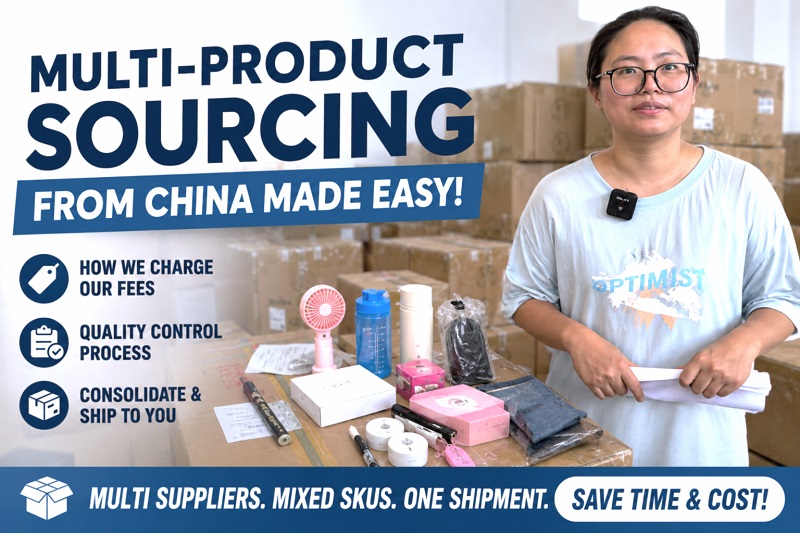
Recommendation: If you have multiple suppliers (e.g., 5 different factories), ensure the forwarder has their own CFS (Container Freight Station) or dedicated warehouse.
Benefit: This allows them to verify item counts, check packaging quality, and provide photos before the goods are loaded into the container.
5. Recommended Tiers of Service
- Tier 1 (Multinationals): Companies like Expeditors, DHL, or Kuehne + Nagel. They are reliable and have strict compliance, but they can be expensive and less attentive to small/medium businesses (SMEs).
- Tier 2 (Specialized NVOCCs): Neutral consolidators like Vanguard or ECU Worldwide. They specialize specifically in LCL and often provide the best “neutral” rates for shipping lines.
6. Control the Paperwork
Advice: Ensure the forwarder understands how to handle Export Licenses and VAT Rebates for each supplier. If one supplier’s paperwork is wrong, it could delay the entire consolidated shipment.
7. Biosecurity is Key:
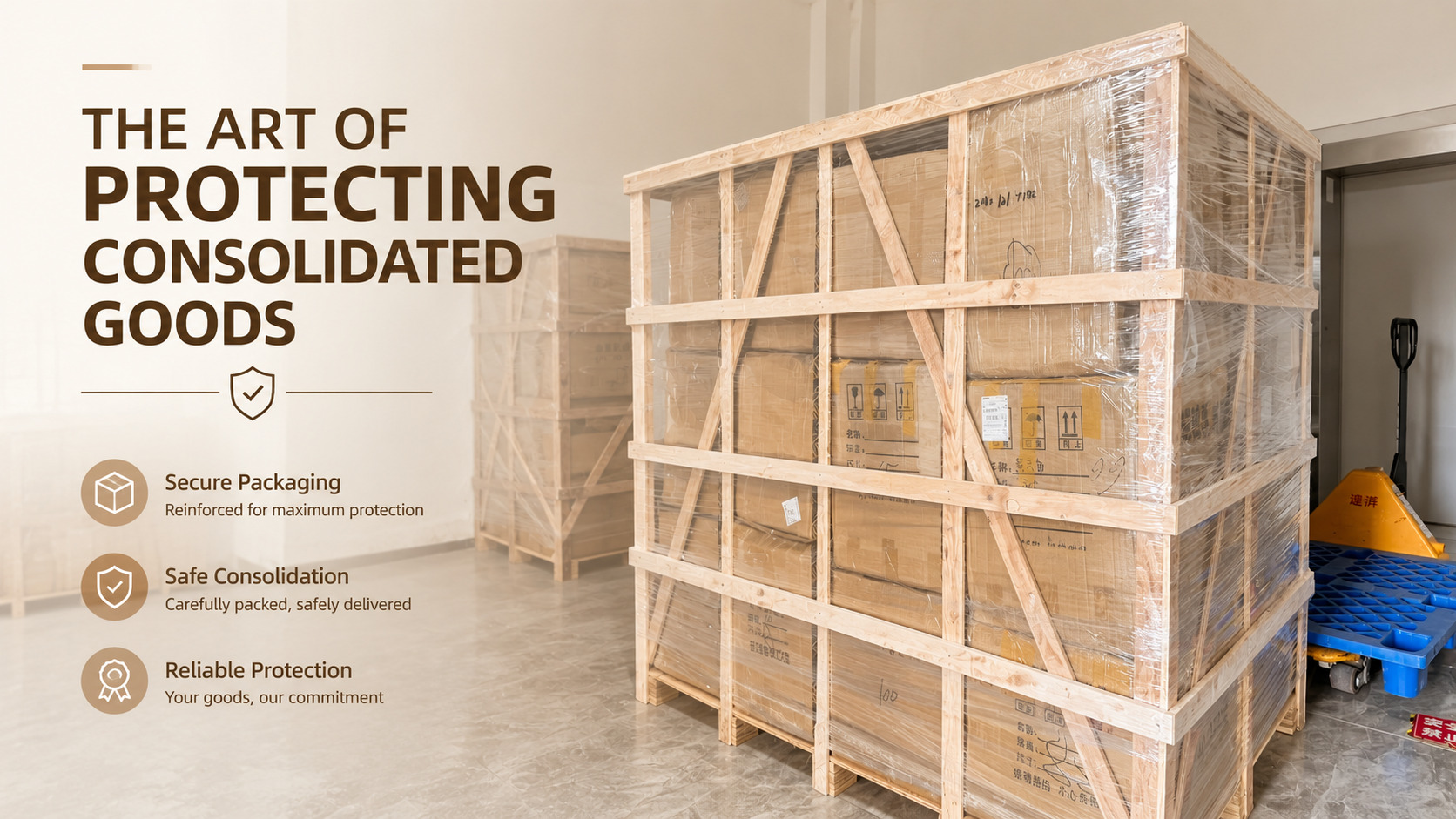
Australia has some of the world’s strictest quarantine laws. Ensure all wooden packaging is treated and carries the ISPM-15 stamp.
8. Insurance:
Always insure your cargo. For a small fraction of the goods’ value, you protect yourself against maritime accidents or loss.
9. Incoterms:
Clarify if you are shipping FOB (Free on Board) or EXW (Ex Works) with your supplier so you know exactly which costs you are responsible for.
Conclusion:
If you are considering LCL (Liquidated Cargo) shipping from China, you can consider Supplyia’s LCL export customs clearance service.
We offer professional customs clearance and cargo handling services to help you save on shipping costs and legally export your products from China to Australia.