How to Consolidate Samples from Multiple Chinese Suppliers?
To consolidate samples from multiple Chinese suppliers effectively, you need to transform a chaotic group of individual packages into a single, streamlined international shipment to save shipping costs.
Table of Contents
Here is the step-by-step process to consolidate samples from China professionally:
1. Choose a Consolidation Partner
You cannot do this alone from overseas; you need a “boots on the ground” partner in China.
- Sourcing Agents: Best if you need someone to actually open the box and check the quality.
- Specialized Prep Centers: Ideal for Amazon FBA sellers who need professional labeling.
- Freight Forwarders: Best if you are moving large, heavy samples (like machinery parts).
- Consolidation agent: like supplyia, Quacn, they focus on the shipment consolidation in China
2. Standardize the Shipping Instructions
- Once you have your warehouse address in China, send a uniform instruction to all your suppliers. This is the most critical step to prevent lost packages.
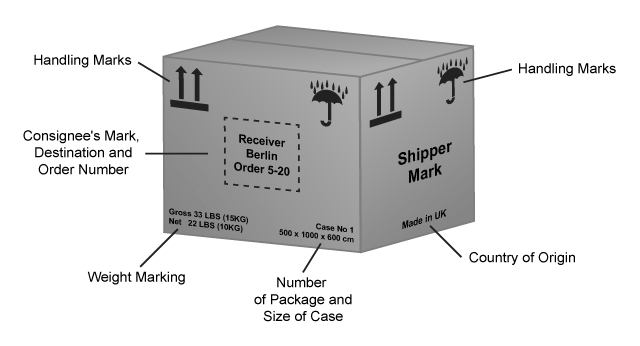
- The Mark: Require every supplier to write your Client ID (e.g., #JOHN-NY-2026) on the shipping label.
- Domestic Freight: Tell suppliers to ship “Domestic Prepaid.” You don’t want your warehouse rejecting a package because there is a $3 delivery fee owing.
3. The “Virtual Warehouse” Check-in
As suppliers ship out, they will give you tracking numbers (e.g., SF Express, ZTO).
- Log the Tracking: Keep a simple spreadsheet of which tracking number corresponds to which product.
- Arrival Notification: Your agent should notify you (often with a photo of the box) as each item arrives.
4. Inspection & “Reduction” (The Money-Saving Step)
Before the final box is taped shut, ask your agent to:
- Discard Trash: Throw away heavy catalogs, thick manuals, or excessive “bubble mailers” that suppliers use.
- Consolidate Inner Boxes: If a supplier sent a tiny sample in a massive box, have the agent move it to a smaller one.
- Photo Verification: Verify the item is correct. It costs nearly nothing to return an item to a factory within China, but it’s impossible once it reaches you.
5. Final Packaging and Export
Once all samples have arrived:
- The Master Carton: All small boxes are placed into one heavy-duty double-walled cardboard box.
- Vacuum Sealing: For textiles or plush items, ask for vacuum packing to reduce volumetric weight.
- Unified Invoice: The agent creates one Commercial Invoice for all items, making customs clearance in your country much faster.
China Sample Consolidation Services:
Currently, there are not many companies in China that specialize specifically in sample consolidation. Even fewer can provide a comprehensive suite of services that includes payment processing, customs documentation, and direct supplier communication.
Among the few typical representatives handling these complex requirements are companies like Supplyia and Quacn.
Post-Sample Consolidation: How to Consolidate Bulk Orders
1. Shift from “Courier” to “Freight Forwarder”
Once your samples are approved and you move to bulk production, stop using standard express agents. You need a Freight Forwarder who specializes in LCL (Less than Container Load).
- The Goal: Combine 3–5 different supplier orders (e.g., 2 CBM each) into one shipment to save on “Destination Charges” (port fees, custom clearance, and trucking).
2. Standardize Your Trade Terms (Incoterms)
To consolidate effectively, buy from your suppliers using FOB (Free On Board) or EXW (Ex Works) terms.
- FOB: The supplier pays to deliver the goods to your consolidator’s warehouse and handles China export customs.
- EXW: Your consolidator picks up the goods from the factory. This gives you total control but costs more upfront.
3. The Centralized “CFS” (Container Freight Station)
Instruct all suppliers to send their bulk cargo to a single CFS warehouse in a major port city (like Shenzhen, Ningbo, or Shanghai).
- Shipping Marks: Just like with samples, every pallet/carton must have a “Master Shipping Mark” so the warehouse can group your different suppliers together.
4. Professional Document Merging
This is where specialized companies like Supplyia or Quacn excel. For a bulk shipment, you need to merge:
- Multiple Packing Lists into one Master Packing List.
- Multiple Commercial Invoices into one Master Invoice.
- One Bill of Lading (B/L): This ensures you only pay for one customs entry in your home country, saving hundreds of dollars in filing fees.
5. Quality “Final Gate” Inspection
Before the container is loaded (Container Loading Supervision), have your agent:
- Randomly check cartons from different suppliers.
- Check for consistency: Ensure the bulk production matches the consolidated samples you approved earlier.
- Palletization: Ensure the warehouse palletizes the cargo correctly to prevent damage during the long ocean voyage.
The Risk of China Shipment Consolidation:
In the consolidation process, the most critical window for preventing damage is the “Final Packaging & Fortification” stage at the warehouse—just before the goods are shipped internationally.
Where is the Risk?
While damage can occur during domestic transit within China, those issues are easily resolved by returning the item to the factory. The highest risk of breakage occurs during international transit (air or sea), which involves multiple transshipments, rough forklift handling, and long-distance vibrations. Once the shipment leaves China, any damage becomes a costly, irreversible loss.
How to Control the Risk?
To minimize breakage, you must focus your control on the consolidation warehouse through these three actions:
- Inbound Inspection (The Filter): Have the warehouse open and inspect every package upon arrival from domestic suppliers. This ensures you aren’t paying international freight for items that were already broken during domestic transit.
- The “Zero-Gap” Rule (The Core Action): The primary cause of damage in consolidated boxes is “internal movement.” You must instruct the warehouse to fill all empty spaces with bubble wrap or foam and use heavy-duty, double-walled master cartons. If items can’t move inside the box, they are much less likely to break.
- Final Structural Protection: For fragile or heavy items, the most effective control is Palletization or Wooden Crating. This forces logistics handlers to use mechanical forklifts rather than tossing boxes by hand, which is the number one cause of “last-mile” damage.
While the damage usually happens during the long international journey, the control must happen at the consolidation warehouse at the moment of final packing.
Do not Hire Sample Consolation Services:
Sample consolidation is the ideal solution for buyers focused on diverse product planning and small-batch testing—for example, entrepreneurs sourcing 10 to 20 different jewelry styles at once.
However, if you are developing custom private molds or high-value proprietary prototypes, we recommend shipping those directly to your destination. This bypasses the consolidation process to minimize the risk of damage or loss for your most sensitive and unique assets.