What If Your Chinese Supplier Can’t Receive Mainland Corporate Bank USD?
When purchasing products from China, you may eventually encounter a common problem:
Your supplier can provide the products you need, but they cannot accept USD payments directly from your overseas company.
This situation is particularly common when working with smaller factories, trading companies, workshops, or multiple small suppliers. Some suppliers mainly operate in China’s domestic market and are set up to receive RMB payments rather than international payments.
At the same time, overseas buyers may need a proper purchasing process, commercial invoices, export documentation, and a formal shipment from China.
So, what can you do?
Table of Contents
Why Can’t Some Chinese Suppliers Receive USD?
Large manufacturers and experienced export companies usually have the banking infrastructure and international trade experience needed to receive foreign currency payments.
However, smaller suppliers may primarily sell within China. Their business may be structured around:
- RMB payments
- Domestic Chinese bank accounts
- Domestic invoices
- Local logistics
- Domestic sales contracts
They may not have an appropriate foreign-currency account or the experience required to handle international transactions directly.
This does not necessarily mean that the supplier is unable to produce or supply your products. It simply means that the supplier may not be the right entity to handle the entire international export transaction.
Some Chinese suppliers may be able to accept USD in certain circumstances, but may not be able to receive international USD payments directly through their mainland Chinese corporate bank accounts. This can be related to their business structure, foreign-exchange arrangements, invoicing, and tax considerations.
Why Some Overseas Buyers Require Payments to a Chinese Corporate Bank Account?
For many overseas companies, making a payment is not simply about sending money. Their finance, accounting, tax, and compliance requirements may require the payment to be made to a legitimate corporate bank account in China.
There are several common reasons for this:
- Corporate payment policies: Many companies require business-to-business payments to be made from the company’s bank account to the supplier’s corporate bank account, rather than to a personal account.
- Proof of a genuine commercial transaction: The overseas company may need invoices, contracts, purchase orders, and other documents to demonstrate that the payment is related to a legitimate purchase of goods or services.
- Accounting and audit requirements: The payment recipient may need to match the company or business entity identified in the relevant commercial documents. Payments to personal or unrelated accounts can create additional questions during an audit.
- Tax and financial records: For business purchases, companies generally need a clear connection between the payment, invoice, contract, goods, and export documentation.
- Banking and compliance requirements: International corporate payments may require information about the beneficiary, transaction purpose, and underlying trade. Paying a legitimate corporate account can help maintain a clearer transaction record.
Therefore, the requirement is often not simply that a Chinese supplier must be able to receive USD.
The overseas buyer may need to make the payment from its corporate bank account to a legitimate Chinese corporate account, with the payment supported by appropriate commercial and export documentation.
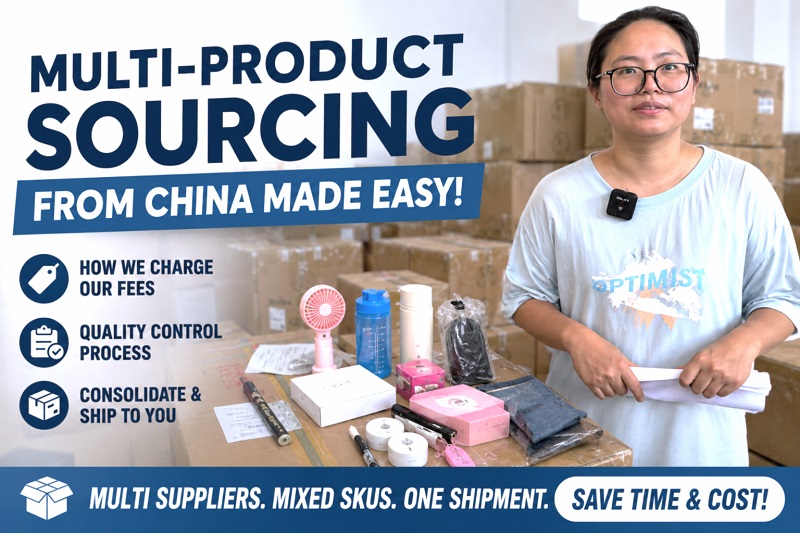
This is one of the situations where a China-based procurement and export partner such as Supplyia can be useful. When multiple Chinese suppliers cannot directly meet the overseas buyer’s corporate payment and export requirements, Supplyia can, under an appropriate transaction structure, coordinate supplier purchasing, domestic payments, warehouse consolidation, and export procedures.
What If You Have Multiple Suppliers?
The situation becomes more complicated when you are purchasing from several suppliers.
For example, you may have:
- Supplier A — packaging products
- Supplier B — promotional products
- Supplier C — electronic accessories
- Supplier D — household products
- Supplier E — customized products
Each supplier may have different payment requirements, packaging standards, lead times, and shipping arrangements.
If every supplier has to handle international payment and export independently, the process can become unnecessarily complicated.
You may end up with multiple payments, multiple shipments, multiple sets of documents, and higher international shipping costs.
This is where a China-based procurement and export partner can be useful.
Using a China-Based Procurement Partner
Instead of paying each supplier directly, an overseas buyer can work with a China-based company that handles the domestic purchasing and export process as part of a properly structured transaction.
For example:
Overseas Buyer
↓
China-Based Procurement & Export Partner
↓
Multiple Chinese Suppliers
↓
China Warehouse
↓
Quality Check & Consolidation
↓
Formal Export
↓
Overseas Buyer
The China-based partner can coordinate the RMB payments to suppliers, collect the goods, consolidate them at a warehouse, arrange quality checks, prepare the necessary documentation, and coordinate the international shipment.
The exact contractual, tax, customs, and foreign-exchange structure should be established according to the actual transaction and the parties’ qualifications.
Why This Can Be Useful for Small and Medium-Sized Purchases?
This model is particularly useful when you are buying relatively small quantities from multiple Chinese suppliers.
For example, instead of placing one large order with a single factory, you may want to purchase 5–20 different products from different suppliers.
Your suppliers may be excellent at manufacturing their products, but they may not all have the infrastructure to independently handle international trade.
A centralized procurement partner can simplify the process by coordinating the different suppliers through one China-based operation.
What Can Supplyia Help With?
Supplyia can coordinate several parts of the China-side purchasing and export process, including:
Supplier Coordination
Communicating with multiple Chinese suppliers and coordinating order requirements.
RMB Supplier Payments
Handling domestic supplier payments according to the agreed purchasing arrangement.
Warehouse Receiving
Receiving products from different suppliers at one location.
Quality Checking
Checking quantities, visible defects, packaging, and other agreed requirements before shipment.
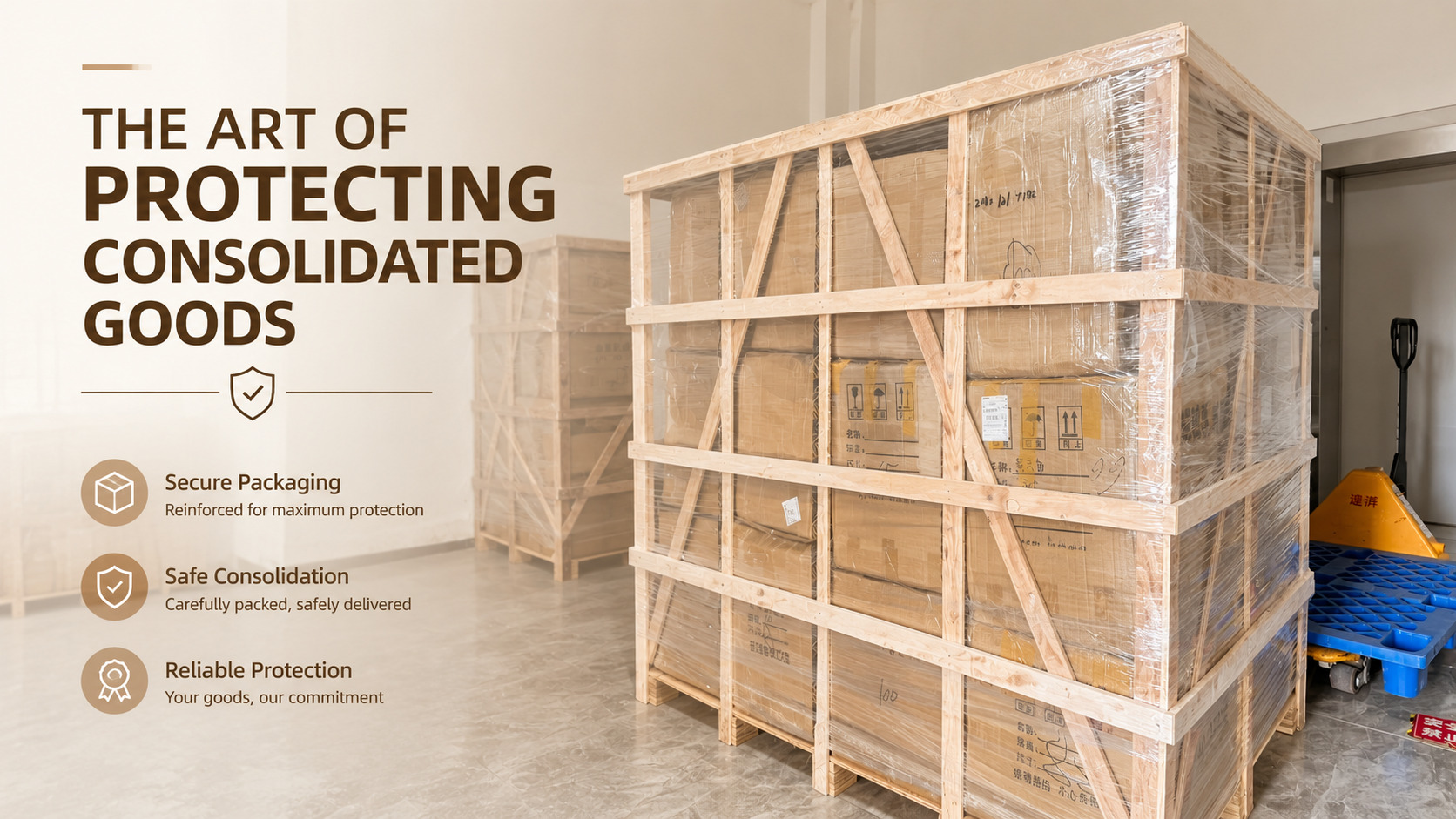
Consolidation
Combining products from multiple suppliers into one shipment where appropriate.
Export Documentation
Coordinating the documentation required for the applicable export transaction.
International Shipping
Arranging or coordinating transportation from China to the destination country.
One China Partner Instead of Managing Many Suppliers
The biggest advantage is not simply making a payment.
It is reducing the number of separate processes that an overseas buyer has to manage.
Instead of:
10 suppliers → 10 payments → 10 shipments → multiple export arrangements
you can potentially organize the China-side process through:
Multiple suppliers → One China-based partner → One consolidated shipment
This can make purchasing from China considerably easier, particularly for wholesalers, retailers, promotional product companies, Amazon sellers, and other businesses that regularly purchase products from multiple Chinese suppliers.
Is This Suitable for Every Purchase?
Not necessarily.
If you are purchasing a large volume directly from a major Chinese manufacturer that already has professional export capabilities, direct international trade may be more straightforward.
A China-based procurement and export partner becomes more useful when you have one or more of the following situations:
- You have multiple Chinese suppliers.
- Your suppliers primarily operate in the domestic Chinese market.
- Some suppliers cannot conveniently receive USD directly from your company.
- You are purchasing relatively small quantities from each supplier.
- You want to consolidate multiple orders into one shipment.
- You need assistance with China-side purchasing and export coordination.
- You do not have your own purchasing or warehouse team in China.
A Practical Solution for Multi-Supplier China Sourcing
The problem is often not the supplier itself.
A small factory may be perfectly capable of producing the product you need, while simply not being equipped to manage the entire international transaction.
Instead of limiting your sourcing options to suppliers that already have sophisticated export capabilities, you can structure the China-side purchasing process around a qualified procurement and export partner.
For businesses purchasing from multiple Chinese suppliers, this can provide a more centralized way to manage supplier payments, purchasing, warehouse consolidation, quality control, documentation, and international shipping.
Multiple Suppliers. One China-Based Partner.
If your suppliers cannot conveniently accept USD payments from your overseas company, or if you are managing many small suppliers in China, Supplyia can help coordinate the China-side procurement, consolidation, and export process.
One China-based partner. Multiple suppliers. One coordinated purchasing process. One consolidated shipment.