Guide for Procurement for Government Enterprise Service
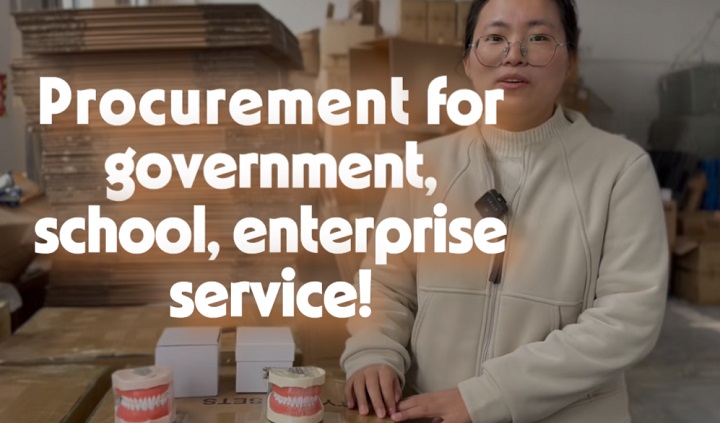
Table of Contents
What is Government Procurement Services?
Government procurement (also called public procurement) is the process by which government departments, public institutions, or state-owned entities purchase goods, services, and works from suppliers.
Examples include office supplies, construction projects, IT systems, logistics, consulting services, and social or public services.
Key Goals
- Transparency
- Fair competition
- Best value for public money
- Anti-corruption controls
Key Characteristics
Highly Regulated
Government purchases must comply with national procurement laws, public bidding rules, anti-bribery regulations, and maintain auditable documentation.
Competitive Bidding
Typical procurement methods include:
- Open tendering
- Request for Proposal (RFP)
- Request for Quotation (RFQ)
- Restricted tendering
- Single-source procurement (used only in special cases)
Strict Supplier Requirements
Suppliers commonly must provide company registration, tax certificates, financial statements, technical capability documents, and compliance or safety certifications.
Types of Procurement Services Offered by Providers
Sourcing & Supplier Verification
— identifying reliable suppliers, evaluating compliance, and auditing factories.
Tender Management
— preparing bidding documents and managing the tender process to ensure fairness.
Contract Management
— drafting and negotiating contracts, ensuring legal compliance, and monitoring performance.
Quality Inspection & Compliance
— on-site factory inspection, pre-shipment inspection, and verification against government standards.
Logistics & Delivery Management
— shipment tracking, customs documentation, and ensuring timely delivery.
Financial Management
— invoice verification, payment processing, and budget/cost control.
Why Governments Use Procurement Service Providers?
- Reduce fraud and corruption risk
- Increase efficiency
- Access specialized expertise
- Gain access to international supplier networks
- Control costs and improve value
- Ensure compliance with international standards
Working with Chinese Suppliers — Advantages for Government Procurement
- Nationwide supplier access: Ability to source from manufacturers across China.
- Inspection services: Full and random inspections to ensure compliance with government quality standards.
- Documentation support: Assistance producing certificates, testing reports, packing lists, and commercial invoices.
- Transparent reporting: Clear communication and auditable records required by government clients.
- Cost-effective sourcing: Competitive pricing through verified suppliers and bulk purchasing.
How Supplyia Ensures Low Risk & High Value?
Supplyia’s procurement process is built around four pillars:
- Verify: Supplier due diligence, factory audits, and contract safeguards.
- Control: Quality control plans, in-line checks, and third-party inspections.
- Document: Complete compliance files, testing certificates, and customs-ready paperwork.
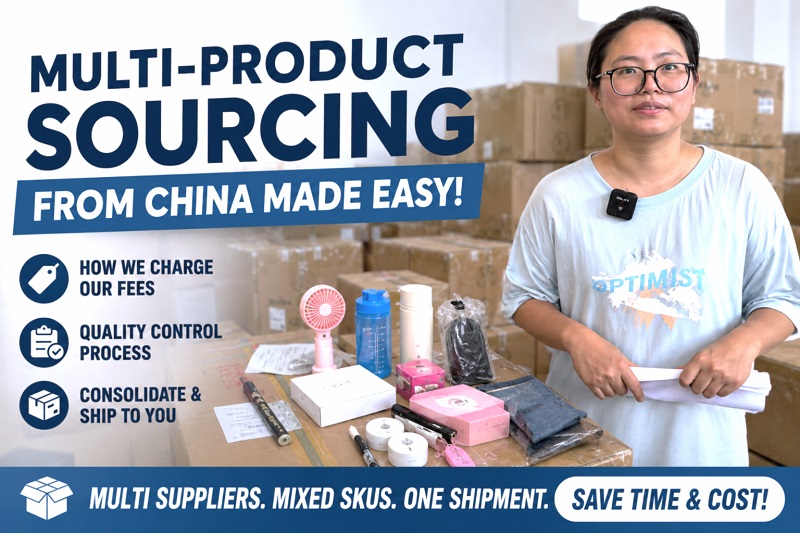
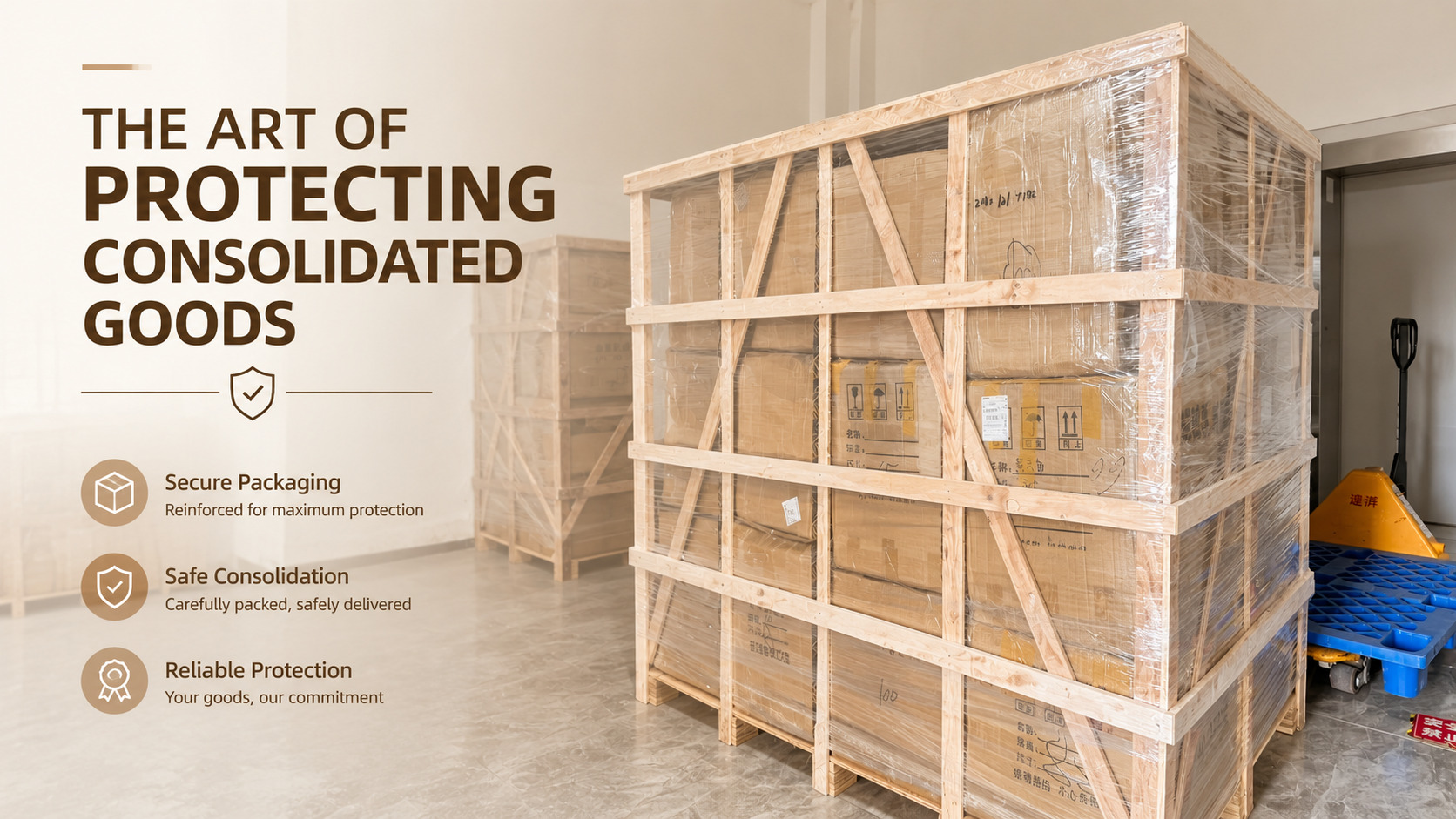
- Deliver: Trusted logistics, consolidated shipping, and end-to-end tracking.
Featured Services
- Supplier sourcing & negotiation
- Sample management and product testing
- Factory audits and capability assessments
- Pre-shipment inspection (full/random)
- Customs & export documentation
- Consolidation, repackaging, and value-added services